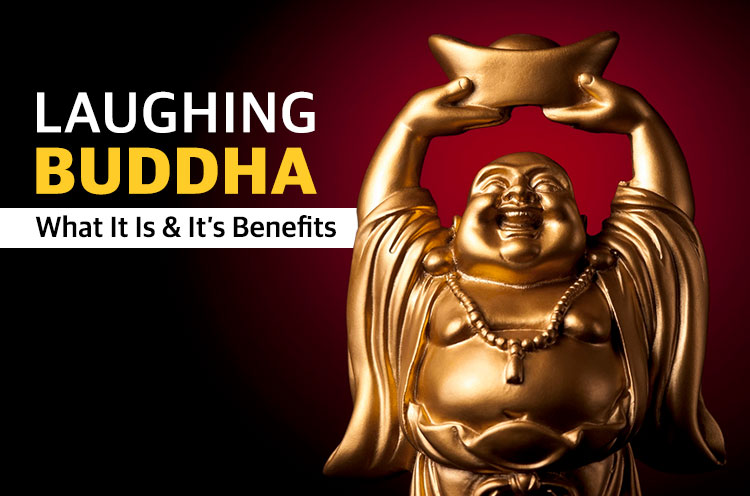
Laughing Buddha Meaning, History, and Benefits
Introduction to Laughing Buddha
The Laughing Buddha is a very popular symbol in homes, shops, and temples around the world. Many people believe it brings happiness, good luck, and positive energy. The Laughing Buddha is not just a decoration but also a spiritual symbol that represents joy and abundance in life.
The figure is based on a monk known as Budai, who lived many centuries ago in China. He is often shown as a smiling, fat, and cheerful man carrying a sack. Over time, this figure became known as the Laughing Buddha.
Origin and History of Laughing Buddha
The Laughing Buddha comes from Chinese Buddhist culture. The real inspiration is said to be a monk named Budai, who lived during the 10th century. He was a Zen monk and was loved by people because of his happy nature and kind behavior.
According to stories, Budai traveled from village to village carrying a cloth sack. He gave small gifts to children and helped poor people. People believed he brought joy wherever he went. After his death, he was remembered as a symbol of happiness and contentment.
In Chinese culture, Budai is sometimes considered a future Buddha, representing Maitreya Buddha, who is expected to come in the future.
Meaning of Laughing Buddha Symbol
The Laughing Buddha is not just a statue. It has deep meaning in spiritual and cultural traditions. It represents:
- Happiness and joy
- Wealth and prosperity
- Good luck and fortune
- Positive energy and peace
- Contentment and satisfaction
People believe that having a Laughing Buddha statue in the home brings good energy and removes negative vibes.
Appearance of Laughing Buddha
The Laughing Buddha is usually shown as a bald, smiling man with a big belly. His belly represents wealth and abundance. He is often sitting or standing with a sack, beads, or gold coins.
Some common features include:
- Big smiling face
- Round belly
- Large ears
- Carrying a sack or gold coins
- Surrounded by children or treasures
Each object in his hands has a symbolic meaning related to happiness and prosperity.
Different Types of Laughing Buddha Statues
There are many different forms of Laughing Buddha statues. Each form has a different meaning.
Laughing Buddha with Gold Coins
This statue represents wealth and financial success. It is believed to attract money and business growth.
Laughing Buddha with Children
This form symbolizes family happiness, fertility, and harmony in relationships.
Laughing Buddha with Sack
The sack represents collecting sadness and turning it into happiness. It also symbolizes generosity.
Laughing Buddha Holding a Fan
The fan is believed to remove problems and bring peace into life.
Laughing Buddha with Beads
Beads represent spiritual growth, meditation, and inner peace.
Benefits of Keeping Laughing Buddha at Home
Many people keep Laughing Buddha statues at home or office. It is believed to bring many benefits:
- Brings positive energy into the house
- Removes stress and negative thoughts
- Attracts wealth and success
- Improves family relationships
- Creates a peaceful environment
Even though these beliefs are spiritual, many people feel emotionally comforted by having this symbol around them.
Best Direction to Place Laughing Buddha
Placement is very important in Feng Shui tradition. It is believed that placing the statue in the right direction increases its positive effects.
Common placement tips include:
- Place it near the entrance door to welcome happiness
- Keep it in the living room for family harmony
- Place it facing inside the home, not outside
- Avoid placing it on the floor or in the bathroom
Proper placement is believed to maximize good energy flow.
Laughing Buddha in Modern Culture
Today, the Laughing Buddha is not only a religious symbol but also a cultural icon. It is used in home decoration, gifts, and even business spaces.
Many restaurants, hotels, and shops keep Laughing Buddha statues at their entrance to attract customers and good fortune. It has become a global symbol of joy and positivity.
Difference Between Buddha and Laughing Buddha
Many people confuse Buddha with Laughing Buddha. However, they are different.
- Gautama Buddha represents spiritual enlightenment and teachings
- Laughing Buddha represents happiness and abundance
Both are respected, but they symbolize different aspects of life.
Why People Love Laughing Buddha
People are attracted to Laughing Buddha because it represents simple happiness. In a stressful world, this symbol reminds people to stay joyful and calm.
Its smiling face gives comfort and positivity. Many believe it helps reduce stress and brings mental peace.
Conclusion
The Laughing Buddha is a powerful symbol of happiness, prosperity, and positive energy. Based on the figure of Budai, it has become a global icon of joy and good fortune.
Whether used as a spiritual symbol or home decoration, the Laughing Buddha continues to inspire people to live a happy and peaceful life.
Related Article

क्या कल्याण चार्ट क्या है और इसे कैसे समझें?

Rox.com Products Catalog: Your Ultimate Shopping Guide for Quality Finds